

Prof. Chun-Hung Lee
Chun-Hung Lee is an academic who contributes to the fields of environmental sustainability and disaster risk management, with a number of publications indexed in reputable databases. His works generally integrate issues of environmental degradation, climate change, and increasing disaster risks within the framework of urban resilience and sustainable development. His writings also emphasize the importance of good governance, cross-sectoral coordination, and the use of technology and information systems in disaster mitigation and adaptation, including the development of early warning systems and green infrastructure. Conceptually, his research adopts a problem-driven approach that connects ecological and social factors, while offering evidence-based policy recommendations to strengthen urban resilience and reduce disaster risks within the broader context of sustainable development.

Antonio di Martino, Ph.D
Antonio Di Martino, Ph.D., is an academic specializing in environmental science, civil engineering, and disaster risk management. His work generally highlights the interaction between environmental systems and infrastructure, particularly in the context of resilience to natural hazards such as floods, earthquakes, and climate change. He frequently employs approaches based on numerical modeling, risk analysis, and engineering simulations to assess infrastructure vulnerability and the impacts of disasters on urban systems. His research also integrates the concepts of resilience engineering and sustainable infrastructure, aiming to enhance the adaptive capacity of cities to environmental pressures and extreme events. In addition, his writings emphasize the importance of risk-based planning, strengthening mitigation policies, and the application of technology in early warning systems and disaster management. Conceptually, his approach is interdisciplinary, linking technical, environmental, and public policy aspects, while offering practical recommendations to support sustainable development and disaster risk reduction.

Prof. Madya. Dr. Azlan Abas
Azlan Abas is an academic specializing in environmental science and disaster risk management. His work primarily focuses on the interconnections between environmental change, land use dynamics, and increasing vulnerability to disasters, particularly in urban and semi-urban contexts. He frequently employs spatial-based approaches such as Geographic Information Systems (GIS) and remote sensing to analyze environmental degradation and identify hazard-prone areas, including flood and erosion risks. His studies emphasize hydrometeorological disasters and highlight the role of human activities in intensifying environmental risks. In addition, his research integrates vulnerability and risk assessment frameworks to evaluate exposure and resilience at the community level. Beyond technical analysis, his writings contribute to urban environmental management by linking spatial planning with disaster mitigation strategies and sustainable development goals. He also underscores the importance of governance, adaptive planning, and evidence-based policy in enhancing environmental resilience, offering practical recommendations to support disaster risk reduction and sustainable urban development.
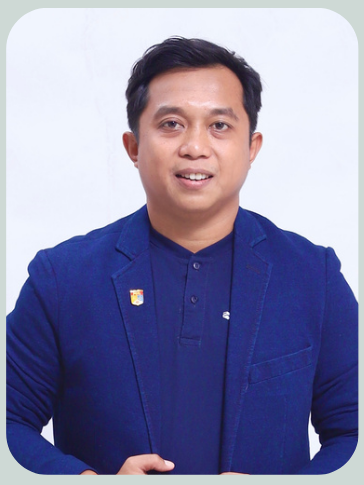
M. Ahsan Samad, Ph.D
M. Ahsan Samad, Ph.D., is an academic whose research focuses on environmental studies, climate change, and disaster risk management. His work primarily examines the interconnections between environmental degradation, climate change pressures, and the increasing vulnerability of communities to disasters, particularly in developing and high-risk regions. He employs a range of methodological approaches, including policy analysis, quantitative modeling, and data-driven evaluation, to better understand the determinants of risk and adaptive capacity. His publications frequently address key themes such as climate change adaptation, disaster risk reduction (DRR), and sustainable natural resource management, with a strong emphasis on bridging public policy and field-based practices. Furthermore, his research highlights the importance of adaptive governance, multi-stakeholder collaboration, and the strategic use of data and technology in enhancing disaster mitigation and response. Conceptually, his approach is interdisciplinary and problem-driven, aiming to generate robust evidence-based policy recommendations that strengthen environmental and societal resilience while advancing sustainable development in the context of escalating disaster risks.
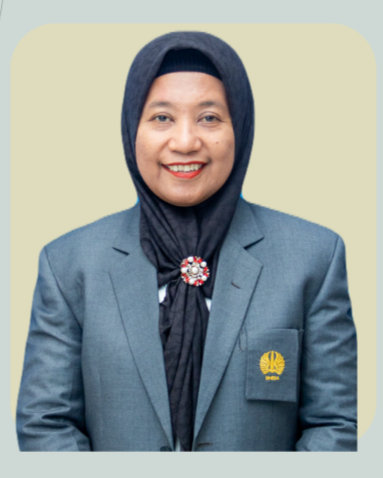
Prof. Dr. Wiwik Sri Utami, M.P
Wiwik Sri Utami, Prof. Dr., M.P., is an academic specializing in environmental studies, geography, and disaster risk management, with extensive research experience focusing on regional dynamics, land-use change, and environmental vulnerability to disasters. Her work largely addresses hydrometeorological hazards such as floods and landslides, and their linkages with human activities and climate change. In her academic practice, she frequently employs geospatial approaches, including Geographic Information Systems (GIS) and spatial data analysis, to identify disaster-prone areas and formulate mitigation strategies. She has also contributed to the development of disaster-informed spatial planning and community-based capacity building initiatives. Her scholarship emphasizes the integration of environmental science, public policy, and regional planning, while promoting adaptive and sustainable strategies to enhance environmental resilience and reduce disaster risks.

Dr. Larissa Schulte Nordholt
Larissa Schulte Nordholt, Ph.D., is an academic specializing in environmental studies, climate change, and disaster risk management. Her research primarily examines the interlinkages between climate change, environmental governance, and social vulnerability to disasters, particularly within urban settings and marginalized communities. She adopts an interdisciplinary approach that integrates policy analysis, institutional studies, and both qualitative and quantitative methods to better understand risk dynamics and adaptive capacity. Her work frequently addresses key themes such as climate governance, urban resilience, and disaster risk reduction (DRR), with a strong emphasis on the role of local actors, institutions, and collaborative networks in responding to environmental and disaster-related challenges. Furthermore, her writings highlight the importance of inclusive governance, community participation, and the integration of local and scientific knowledge in policy formulation and the implementation of mitigation strategies. Conceptually, her approach is problem-driven and evidence-based, aiming to produce policy-relevant insights that strengthen socio-ecological resilience and support sustainable development in the face of increasing disaster risks.
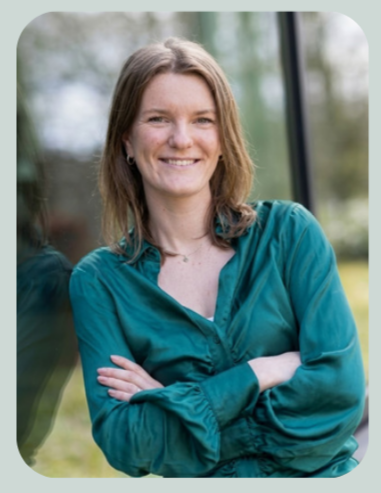
Luna Swelsen, M.Sc
Luna Swelsen, M.Sc., is a researcher specializing in environmental studies and disaster risk management. Her research generally explores the interlinkages between environmental change, social dynamics, and increasing vulnerability to disasters, particularly in communities affected by climate change. She adopts an interdisciplinary approach, combining qualitative and quantitative methods to understand the factors influencing risk and community adaptive capacity. Her work frequently addresses issues such as climate change adaptation, community-based disaster risk reduction (CBDRR), and sustainable environmental management, with a strong emphasis on the role of local communities in disaster mitigation. In addition, her writings highlight the importance of public participation, collaborative governance, and the integration of local knowledge in environmental policy planning and implementation. Conceptually, her approach is problem-driven and solution-oriented, aiming to generate evidence-based policy recommendations to strengthen community resilience and support sustainable development in the face of disaster risks.
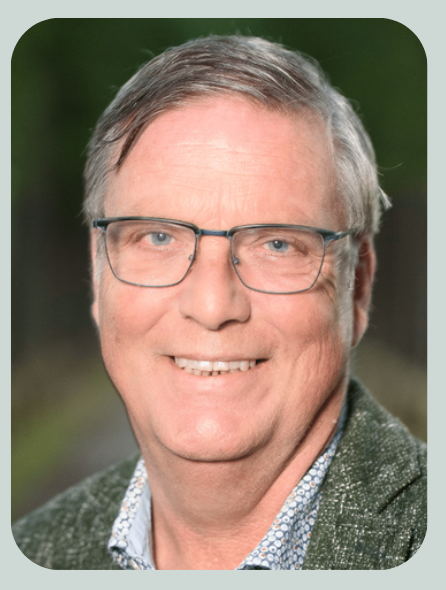
Dr. Joop van Hezik
Joop van Hezik, Ph.D., is an academic specializing in environmental science, applied ecology, and ecosystem-based disaster risk management. His research experience focuses on the interconnections between environmental change, urbanization, and increasing vulnerability to disasters, as well as the application of ecological approaches for mitigation and adaptation. He has contributed to the development of ecosystem-based disaster risk reduction (Eco-DRR), including the use of green spaces, biodiversity conservation, and landscape management to reduce risks such as flooding and urban heatwaves. In addition, his work in urban ecology emphasizes the integration of ecological science and public policy, adopting an interdisciplinary approach that combines field observation, human behavior analysis, and policy evaluation. Overall, his contributions support the strengthening of environmental resilience and sustainable development in the face of climate change and escalating disaster risks.